June 10th
Kilometer 1.877,3
Exploring Briviesca has only reinforced the image we had yesterday. So many buildings stand empty, are for sale, have fallen into disrepair or have been demolished, and the plots lie fallow. And this isn’t in the outskirts but right in the center. It's a strange sight, especially since there are so many beautiful buildings among them, the cafés are bustling, and the squares and streets are lively and well-decorated. The city is too big for its current status…
In the 15th century, the city was temporarily the capital of the large region of Castile. This brought wealth and prosperity, and many buildings from that period remain. More recently, the city experienced a growth period due to a large industrial estate situated in one of the largest agricultural regions of Spain. This provided a lot of jobs, and workers settled in the city. Now, the area is mainly used for storage, and with the lack of other employment opportunities, the city looks somewhat neglected. It's a pity, as many parts of the city still possess real charm.
The hotel where we wake up this morning somewhat fits this image. Classical and stately, yet with just slightly insufficient maintenance to preserve its cachet beyond the entry hall. Next to the hotel stands a building for sale, beside which is the ‘Palicio de los Salamanca’. A classic theater with a stunning façade and charming turrets, right next to a monumental 14th-century church with a beautiful square, though it has boarded-up windows. Hopefully, prosperity will return to this place and restore it to some of its former glory.
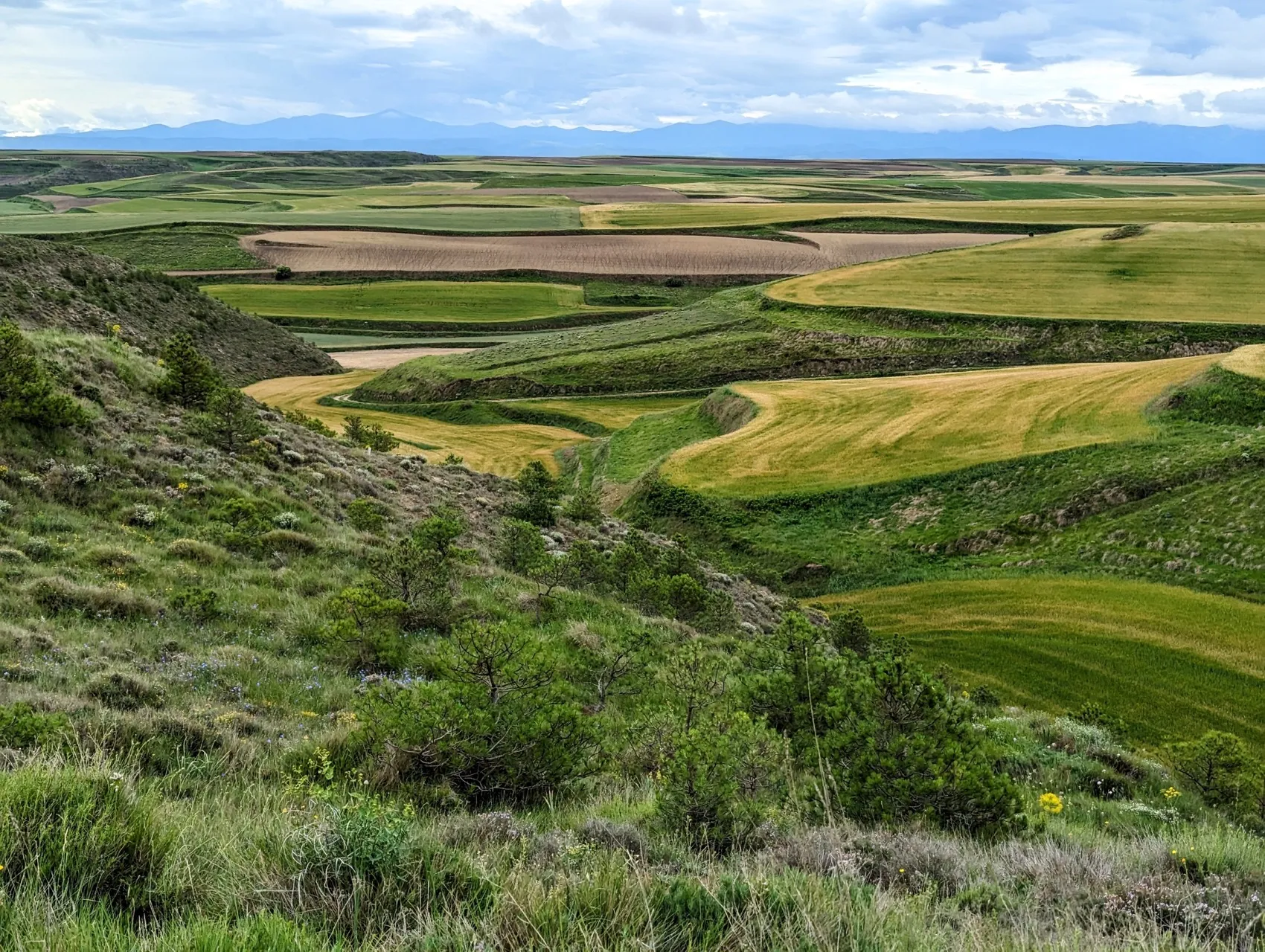
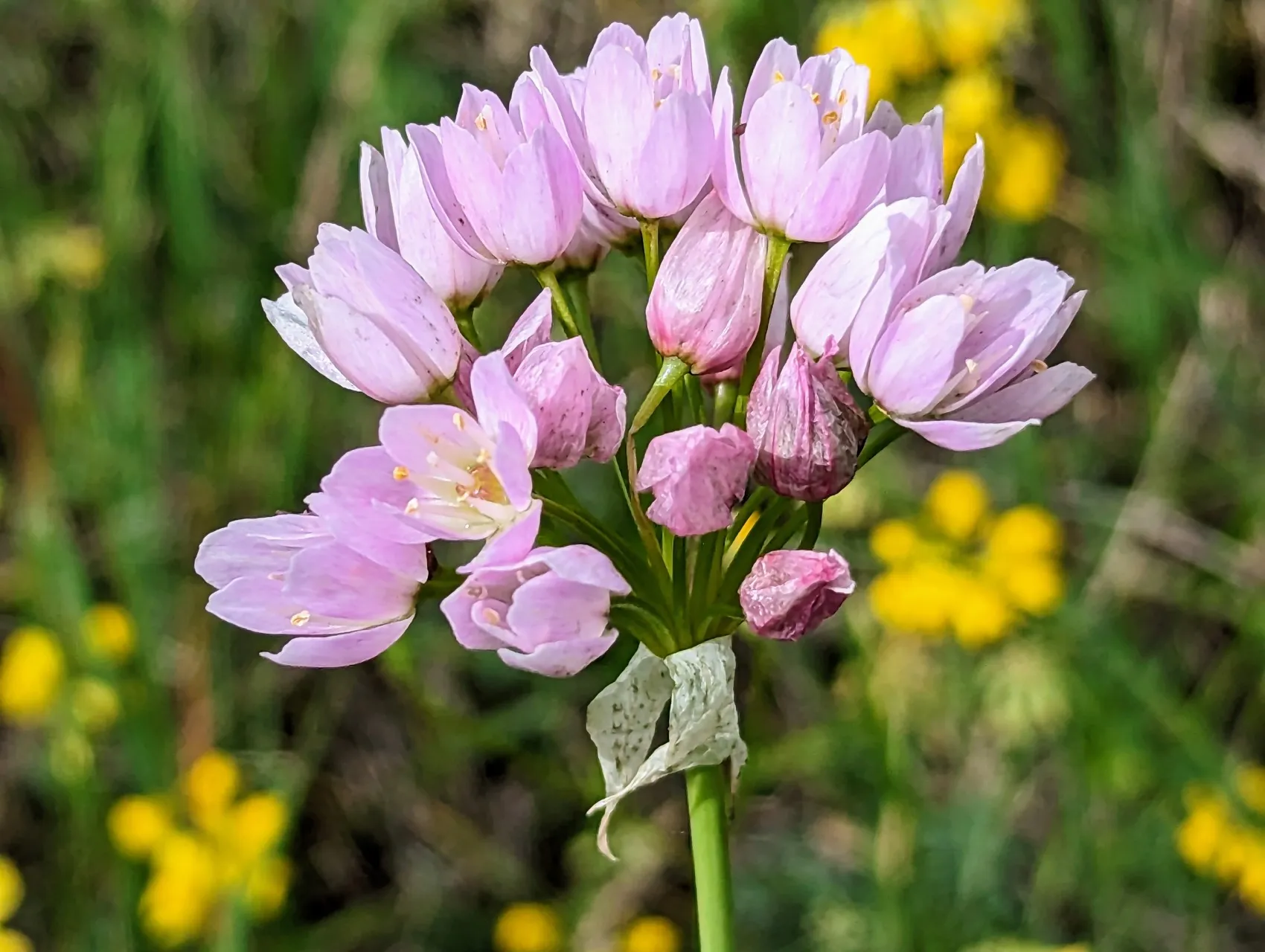
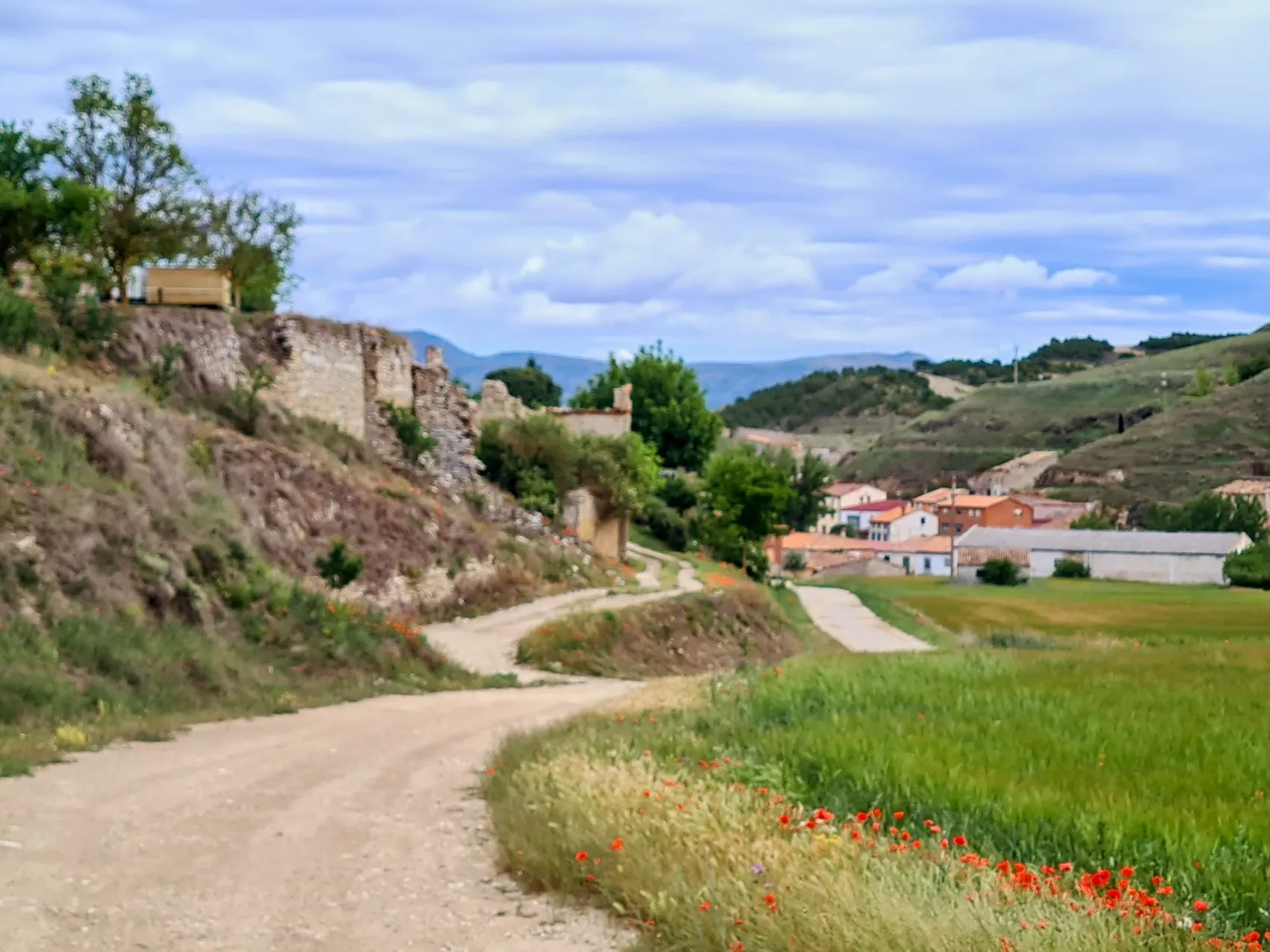
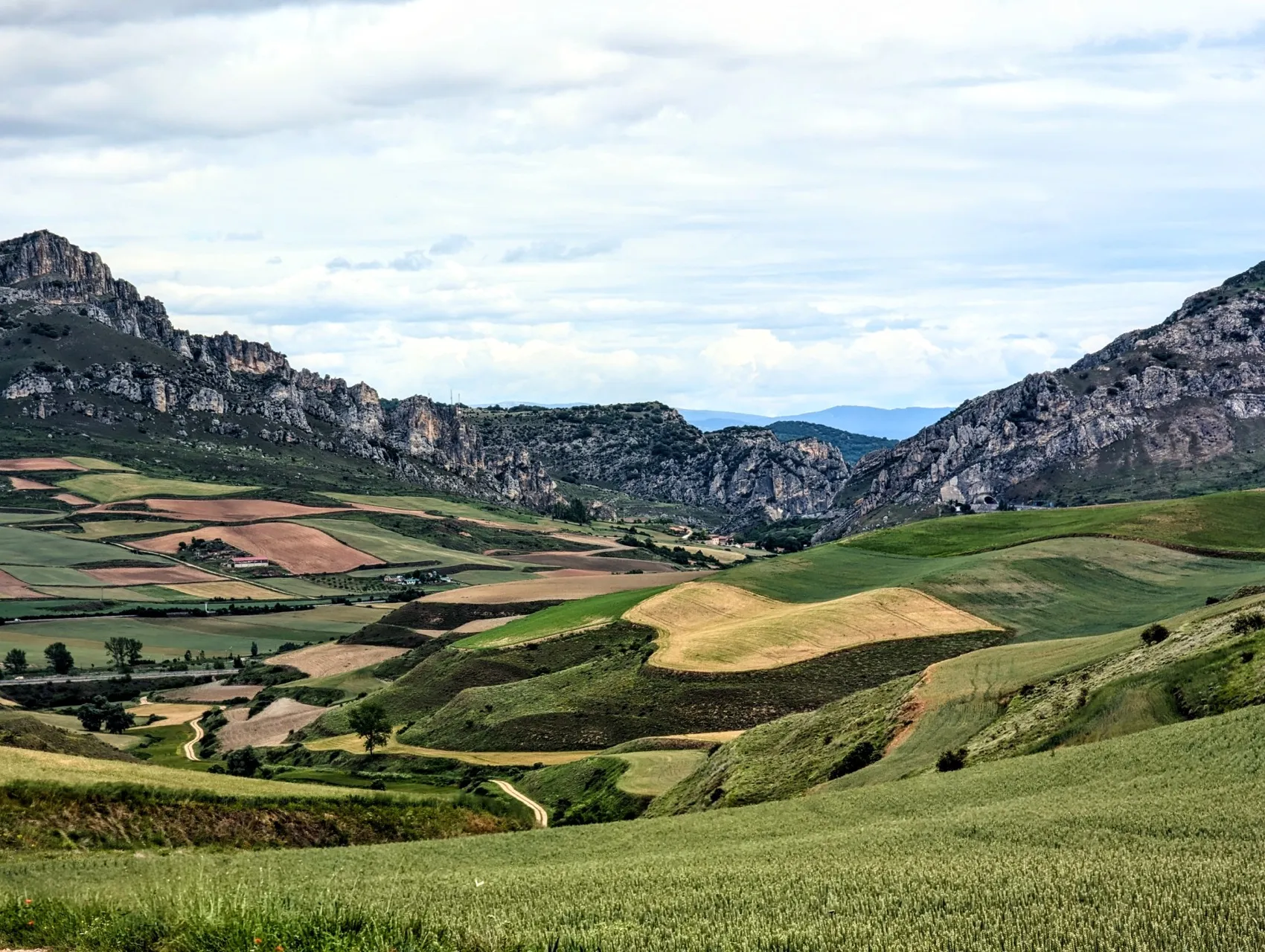
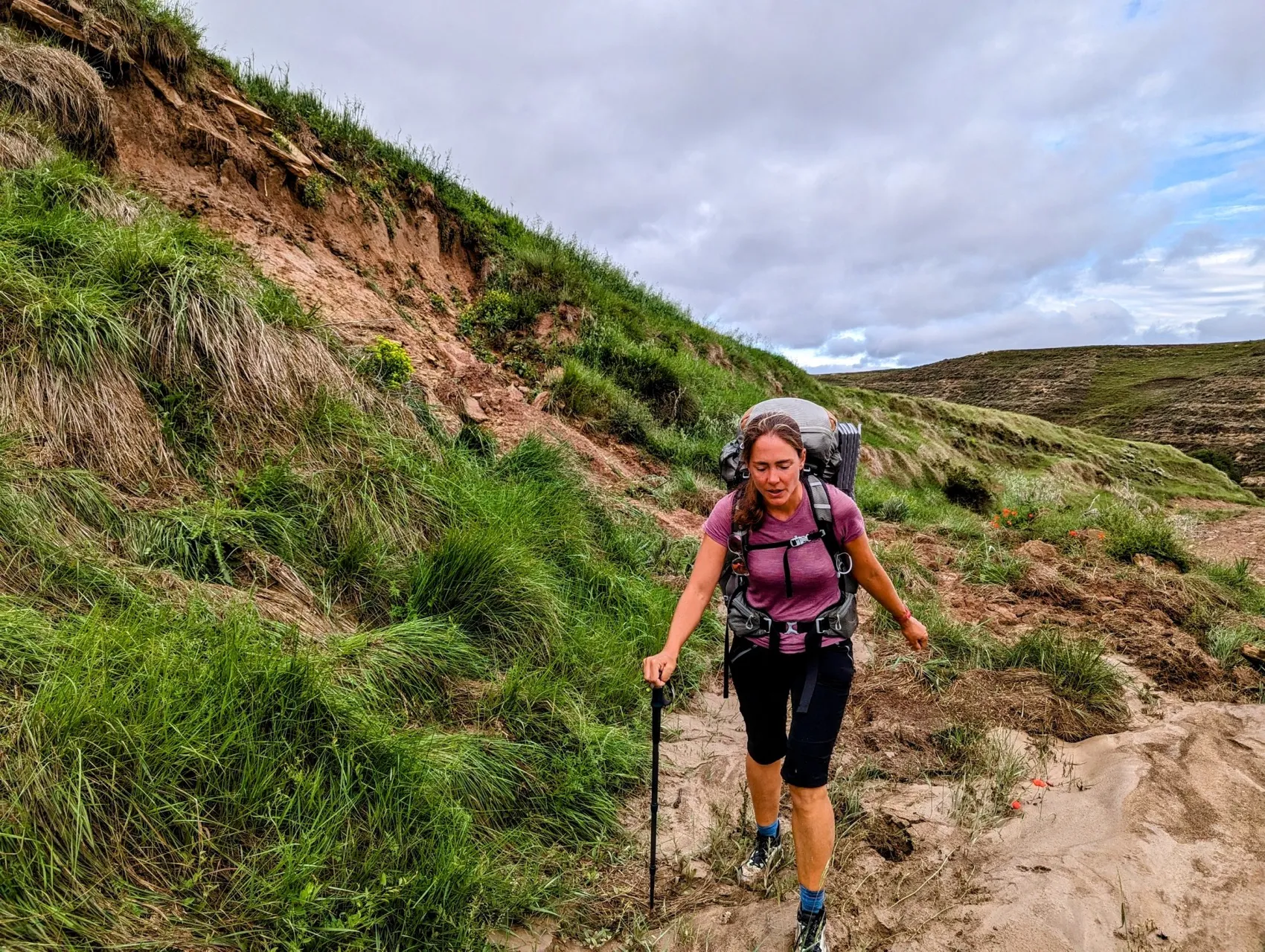
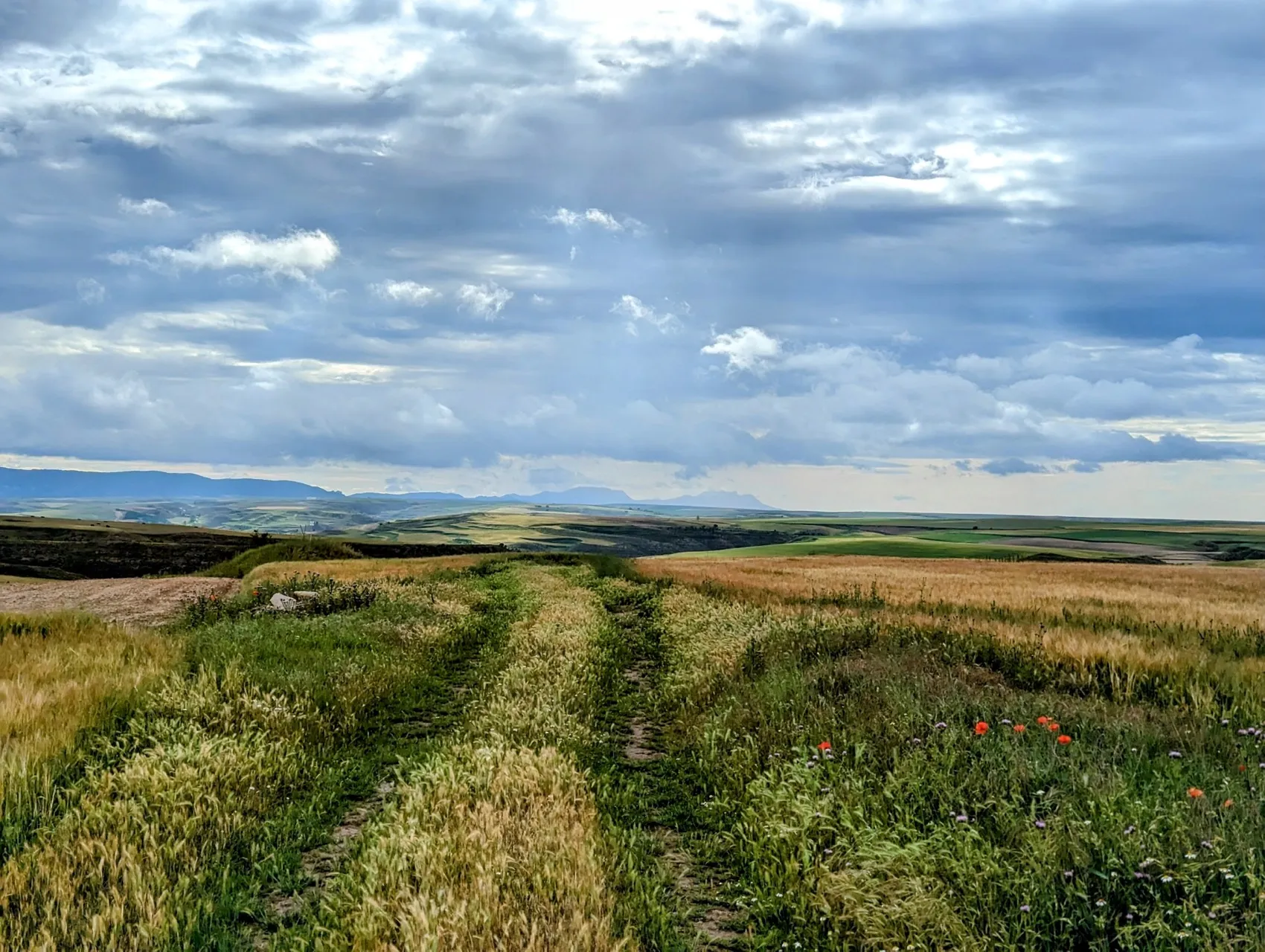
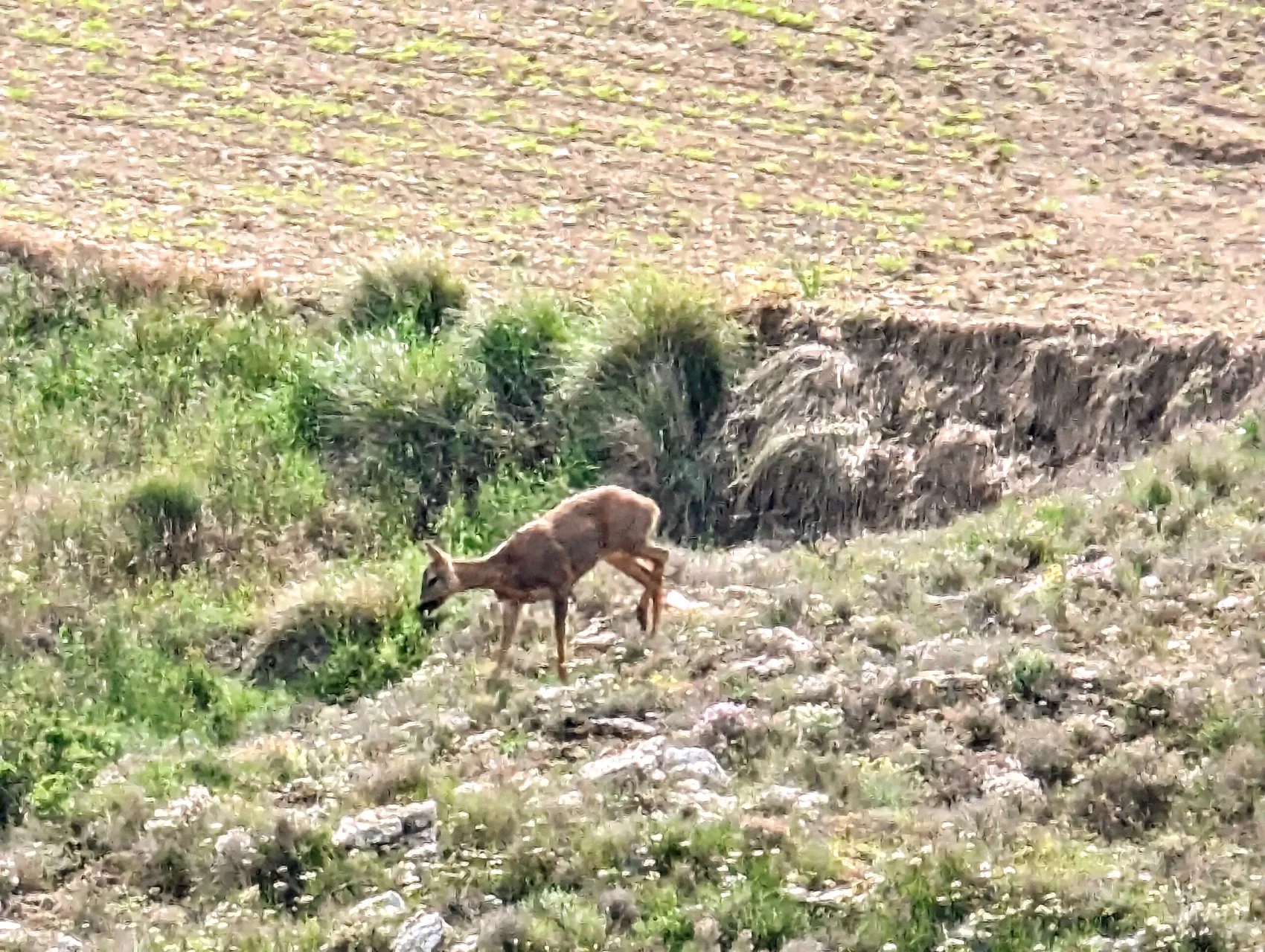
This morning, we prepare for a long stretch of nearly thirty kilometers. All routes from here going in our direction run alongside the highway and a busy N-road. Naturally, we prefer to avoid these if possible, and we have charted a route that keeps us a distance from the roads. Often it’s a risk; in many areas, it's best to follow existing routes, as they're typically where the most beautiful scenery is found. But sometimes, you encounter sections where it’s worthwhile to look beyond, lest you end up walking along or across busy roads while more beautiful and tranquil paths lie further on. The only problem is that if you’re not familiar with the area beforehand, you never really know which situation you are in. We're betting on the latter today and choosing our own route. We leave the town, cross the highway, and soon take a wide unpaved path toward the small village of Cameno: just a few houses and farms but with a large church at its center. At the village’s edge, we turn off and head uphill into the green hills. The path becomes increasingly narrow and overgrown. It’s wonderful to walk on small paths, though the grass is still wet from the rain that has fallen. It’s clear that it has rained a lot here; our shoes quickly collect centimeters of mud, but especially the paths show this. Whole sections have washed away, and chunks of verge have flowed over the paths. We need to be cautious, as some parts are quite slippery. The hills have gentle slopes, and the valleys and meadows beautifully wind around them. From aerial photos, we saw beautiful landscapes as if someone had gently stirred their cappuccino with a stirrer, the fields and rounded hills blending seamlessly. But even from here, the view is stunning. The valleys are narrow, and the path we’re on, judging by the flattened grass, was quite a river yesterday. About twelve hours ago, during heavy rain, we would have been knee-deep in water here. The farmers have lost quite a few recently sown sunflowers. The paths are almost unrecognizable, and the last uphill stretch requires some bushwhacking. On the other side of the hill, we find the path again, and higher up, it widens, opening up to a vast and expansive landscape. We walk a bit along the highway, enjoying the spectacular view of the distant mountains. They still seem far, but soon we will be walking among them. Compared to the mountains, we appear to be on a plain, but as you walk through, there are significant elevation differences between here and the valleys. We cross the highway and start down a path that's initially hard to find, which gently descends following the contours of the hills. Though it's beautiful with fantastic views, it seems not many walk here. Soon, we see two young, fluffy foxes tumbling over each other and curiously looking up before they scurry into their den. Over the next few kilometers, we move from one deer to another. During a break, a doe with her fawn grazes on the hill opposite us. As soon as they spot us, they stand staring for minutes before moving again, and the mother sprints away with a barking sound, the fawn following. This barking is called ‘blasting’ and they do it when they perceive something unfamiliar and not entirely trustworthy. It's unusual; we hadn't heard it before. What a stunning piece of nature! During the break, we sit on a patch of grass with flowers resembling those of an onion. We look them up, and it turns out to be pink wild garlic, which is edible. We can’t resist… We find a bulb and cut it open. Indeed, it’s a small garlic with the spicy taste of garlic but also somewhat reminiscent of chives. Very garlicky, indeed, and delicious, but too little for a sandwich; we would need too many plants for that.
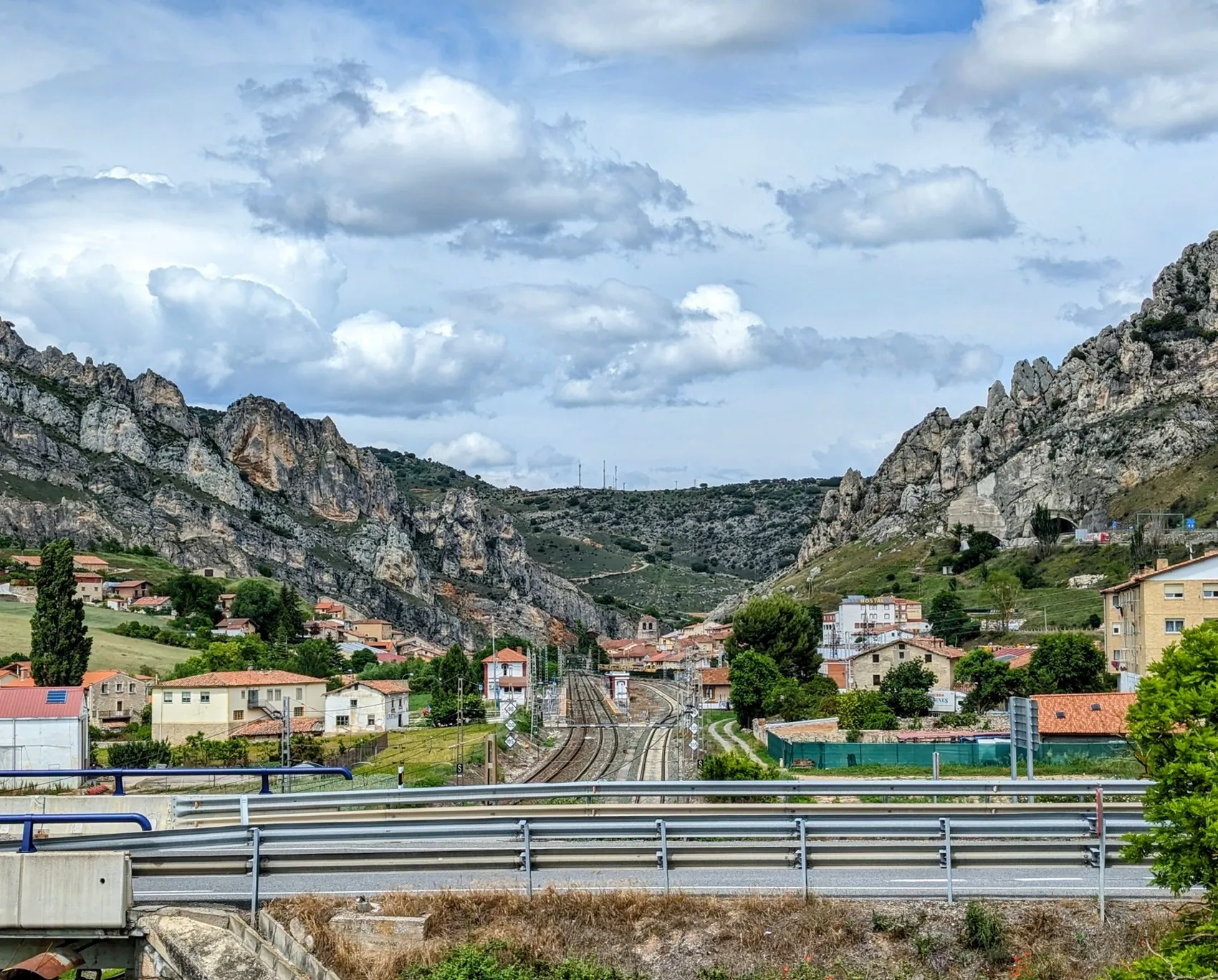
We descend to a village and then climb the meters again. Here we walk a bit over a large plain and then descend quite steeply to the larger town of ‘Pancorbo’, at the foot of the mountains. There’s quite a bit of activity here. There are many shops and businesses. And the highway, the railway line, and the small river Rio Oroncillo carve their way through the mountains from here, via the gorge ‘Desfiladero de Pancorbo’. The road and railway line sometimes literally
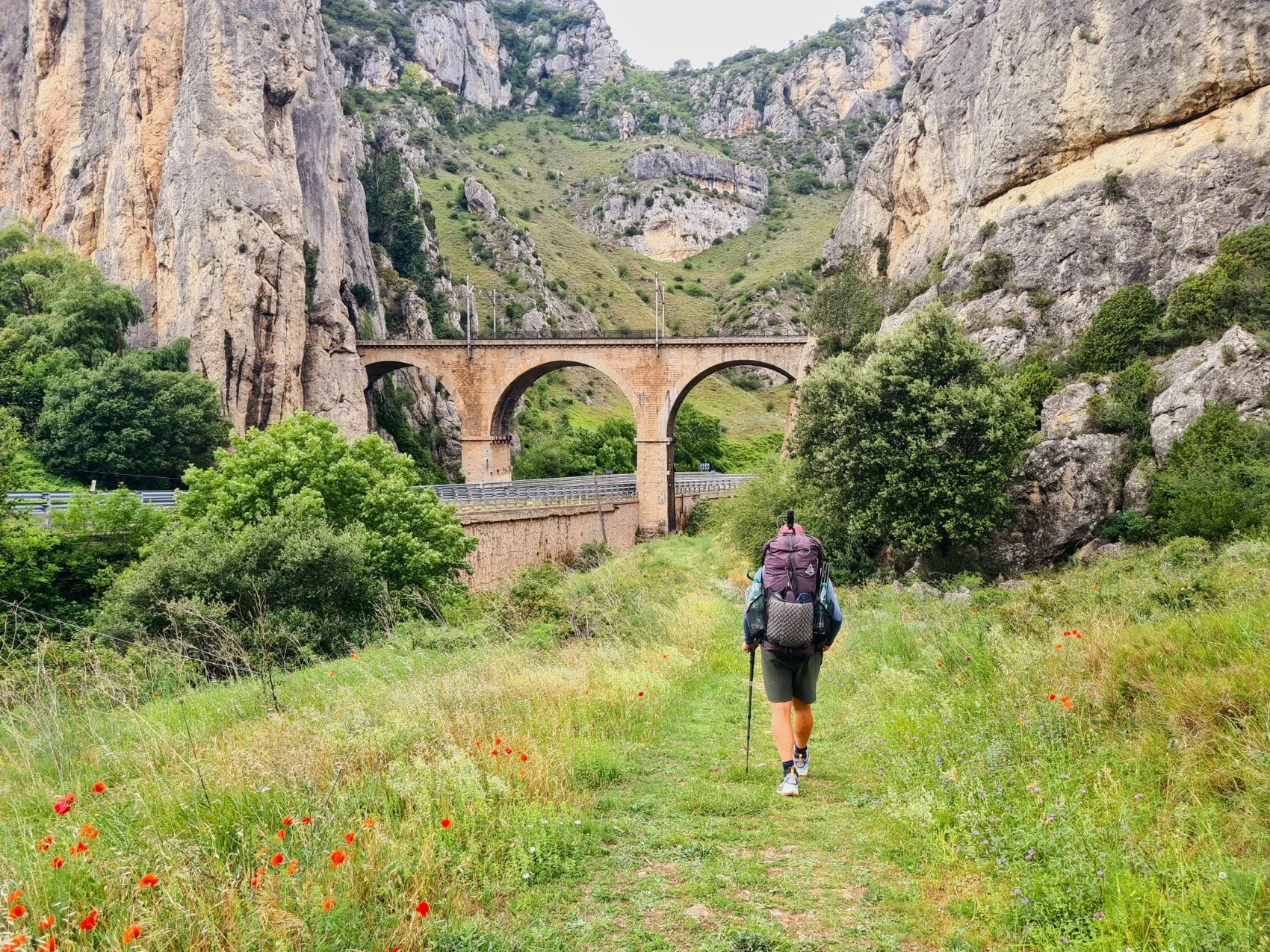
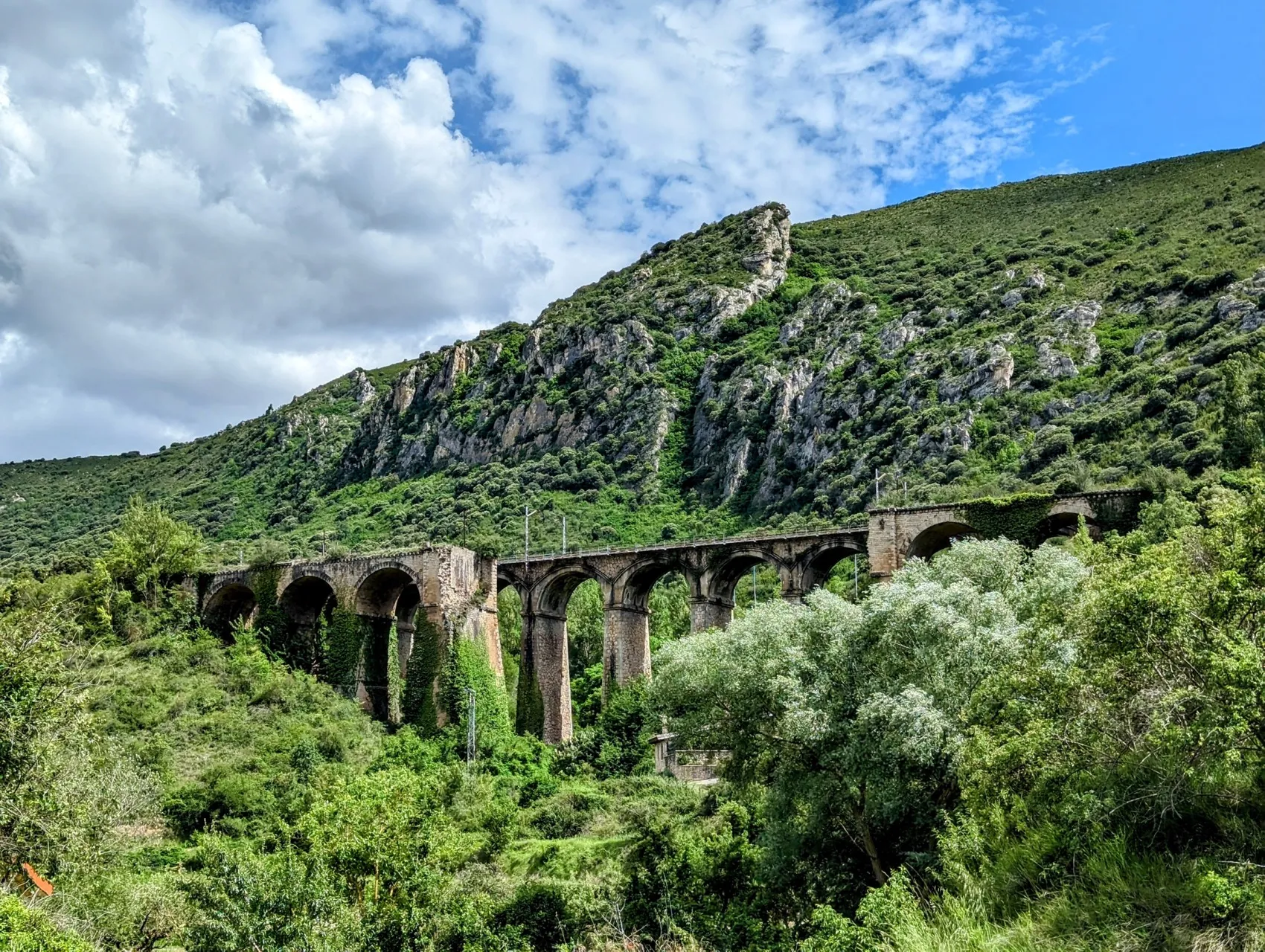
, often going through tunnels and over bridges to reach the other side of the mountain ridge. This pass is known as the ‘Puerta de Castilla’. The mountains seemed so far away, but here we stand amidst high rock walls. We follow small paths that trace the river. Often, we go under old bridges of the railway and newer ones of the highway, but the elevation differences are so great that we don’t bother each other. It's wooded and very green. After so many kilometers on large paths, this suddenly feels wonderfully adventurous, and the views of the mountains and rocks certainly help. It's amazing how quickly the landscape can change. We walk on narrow paths to a campground, but unfortunately, it turns out to be closed. We had anticipated this, as the reviews on Google were quite confusing. Luckily, a hotel 800 meters further has a room for us. We have a view of the mountains, so we are in luck. Time to recover after 29 splendid kilometers. Today was a great example that creating your own route pays off; we have enjoyed the tranquility and nature far away from the highway. What a beautiful day!