We always enjoy camping, and we almost always prefer it to staying in a hotel, hostel, or casa rural. We love being outdoors, and it gives us a greater sense of freedom. However, camping in a tent sometimes has its downsides. The only real drawback for us is campsites that leave the lights on at night, making it very bright inside our tent. At the campsite where we stayed last night, there was a spotlight aimed directly at us, bright enough that you could literally read a newspaper inside the tent. Additionally, they were repaving the highway just behind the campsite, with all the noise that entails, which fortunately stopped when the rain began to pour down in torrents with loud thunder in the middle of the night… So, we both wake up a bit groggily this morning after a disrupted night's sleep. It's a pity, because the campsite is quite nice and playfully decorated in a sort of fairytale forest style. But we are just relieved that the rain fell last night and not, as forecasted, this morning. We can pack up the tent dry and head out to Briviesca.
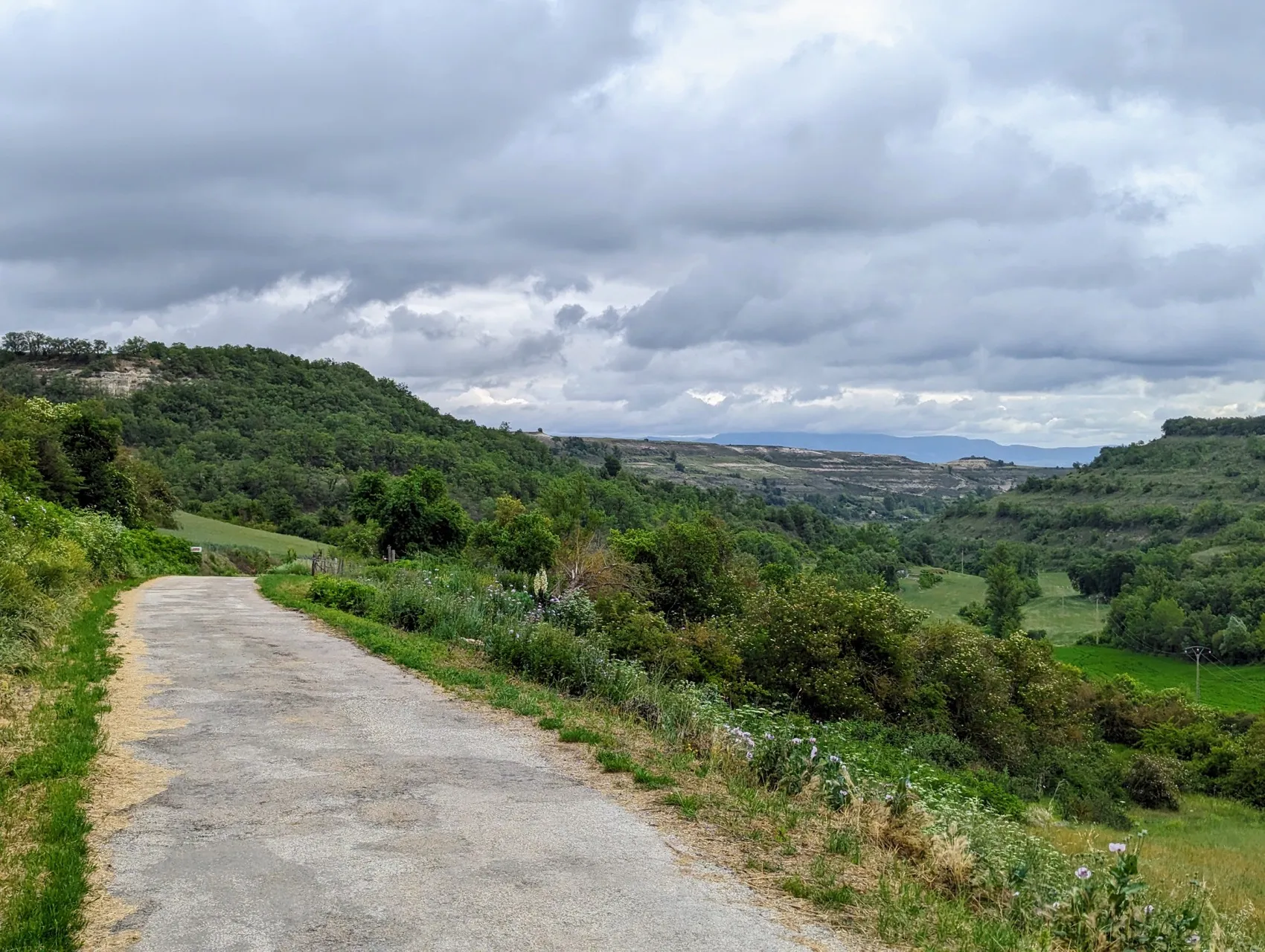
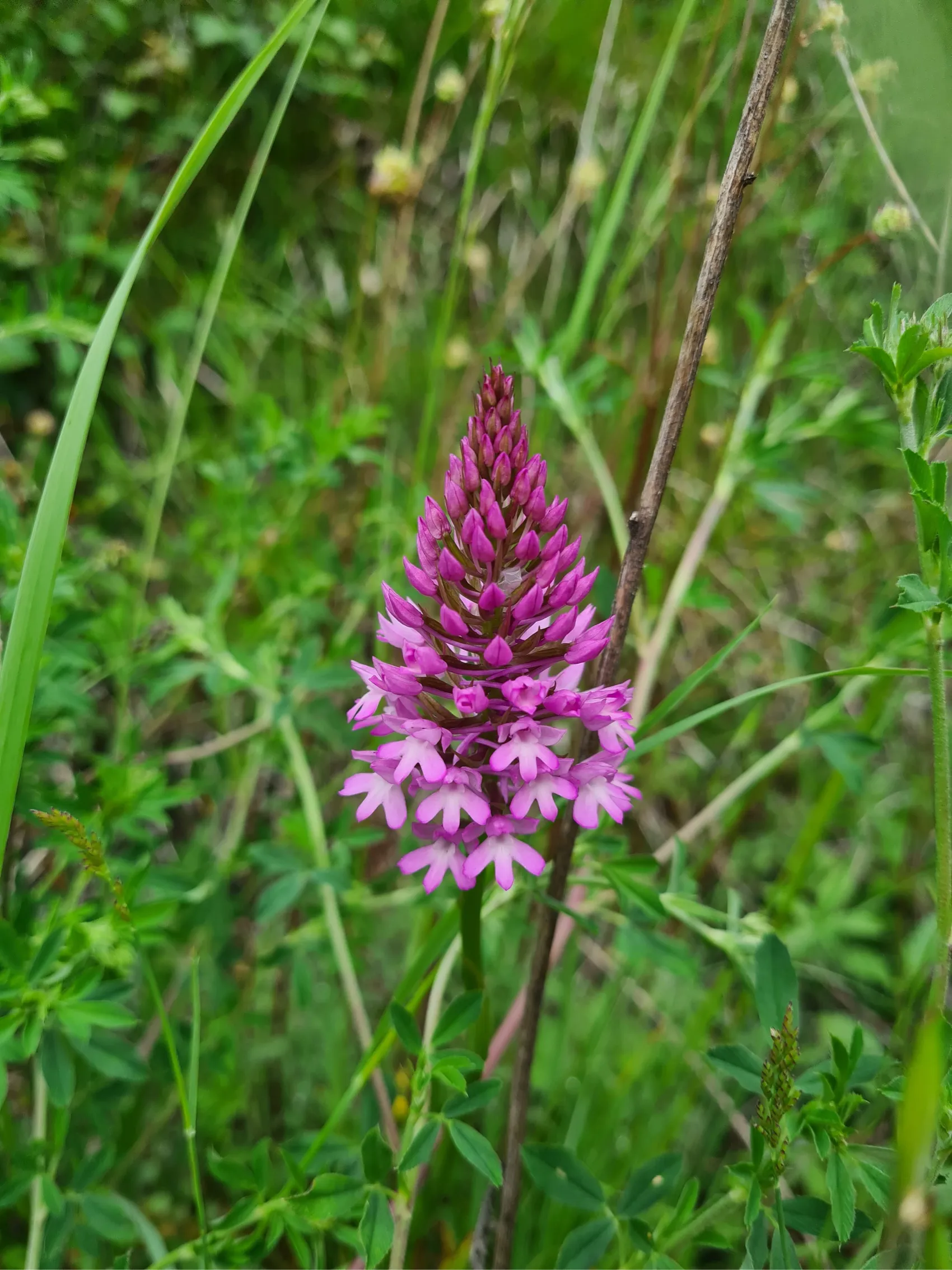
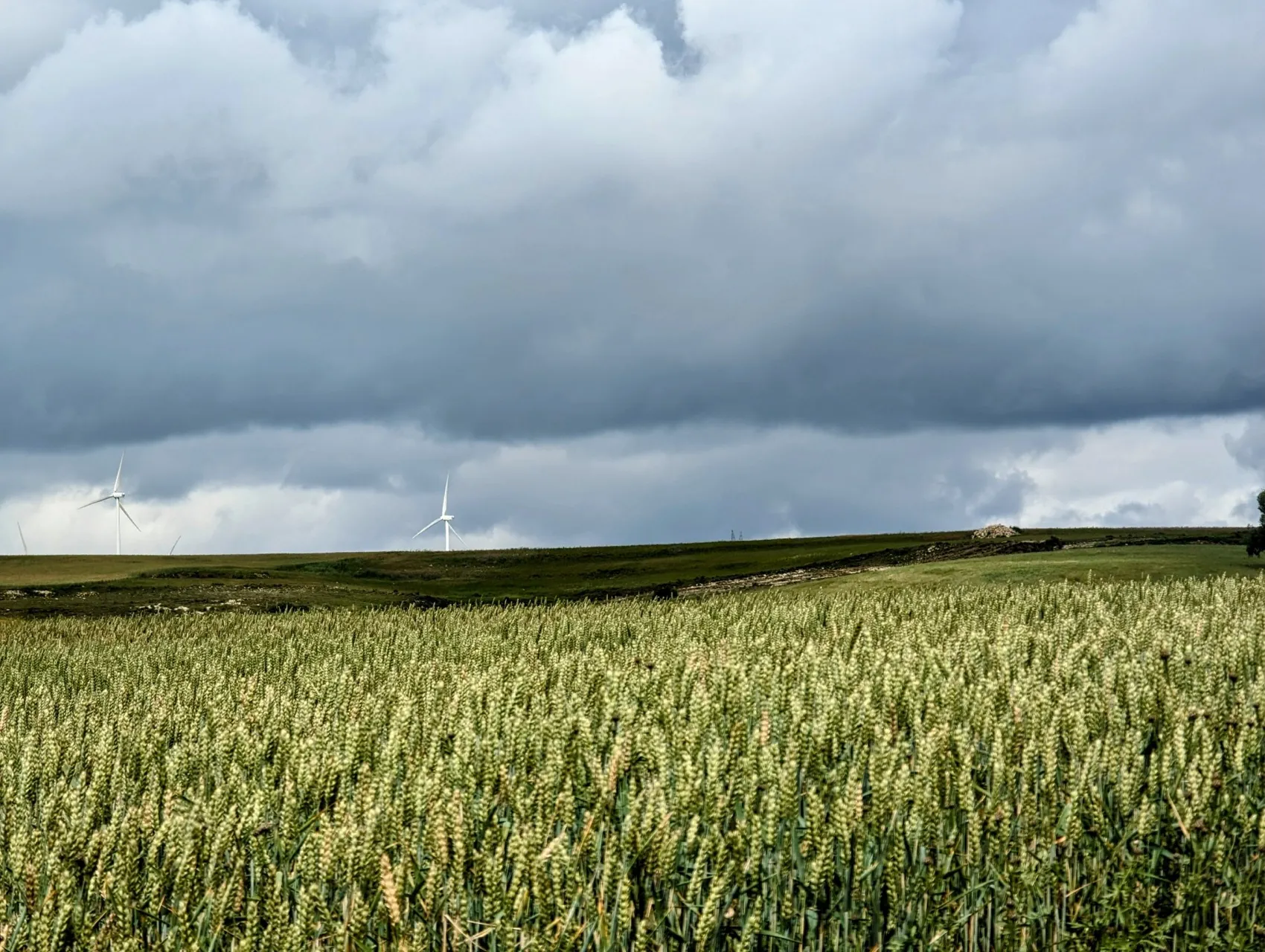
It's just a short stage of a little more than 17 kilometers today, which is fortunate because a lot of rain is forecasted after 1:00 PM, by which time we should already be in our room. We walk the first few hundred meters along a busy two-lane road until we can turn left just before the freshly paved highway, onto a small road that follows the highway. The sky is gray and the clouds move quickly, but we have a splendid view of the mountains in the distance. It remains a beautiful sight. The meadows and road verges are fresh green due to last night's rain. Here, the verges are also filled with a purple orchid rare in the Netherlands named 'Dog's Mercury'. The English name 'Pyramidal Orchid' seems more fitting, as the flowers are purple pyramids, but the Dutch 'hondskruid' is an old term for plants that are not used for anything, like food or medicine. However, this isn't entirely true, as in Norway and Sweden, the root is ground into a white, sweet starch powder that is very nutritious. So it's not really useless, and it's quite ornamental too.
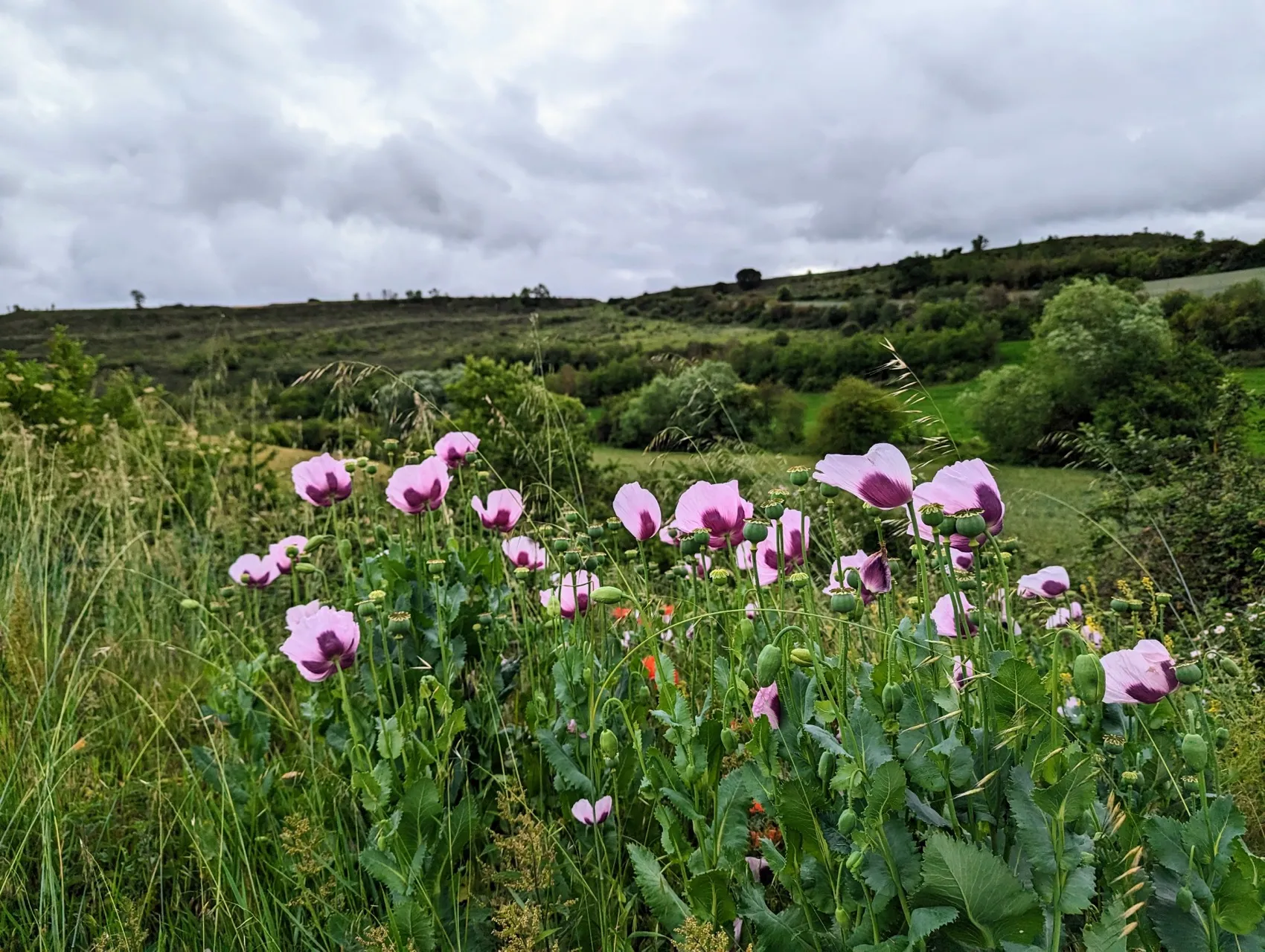
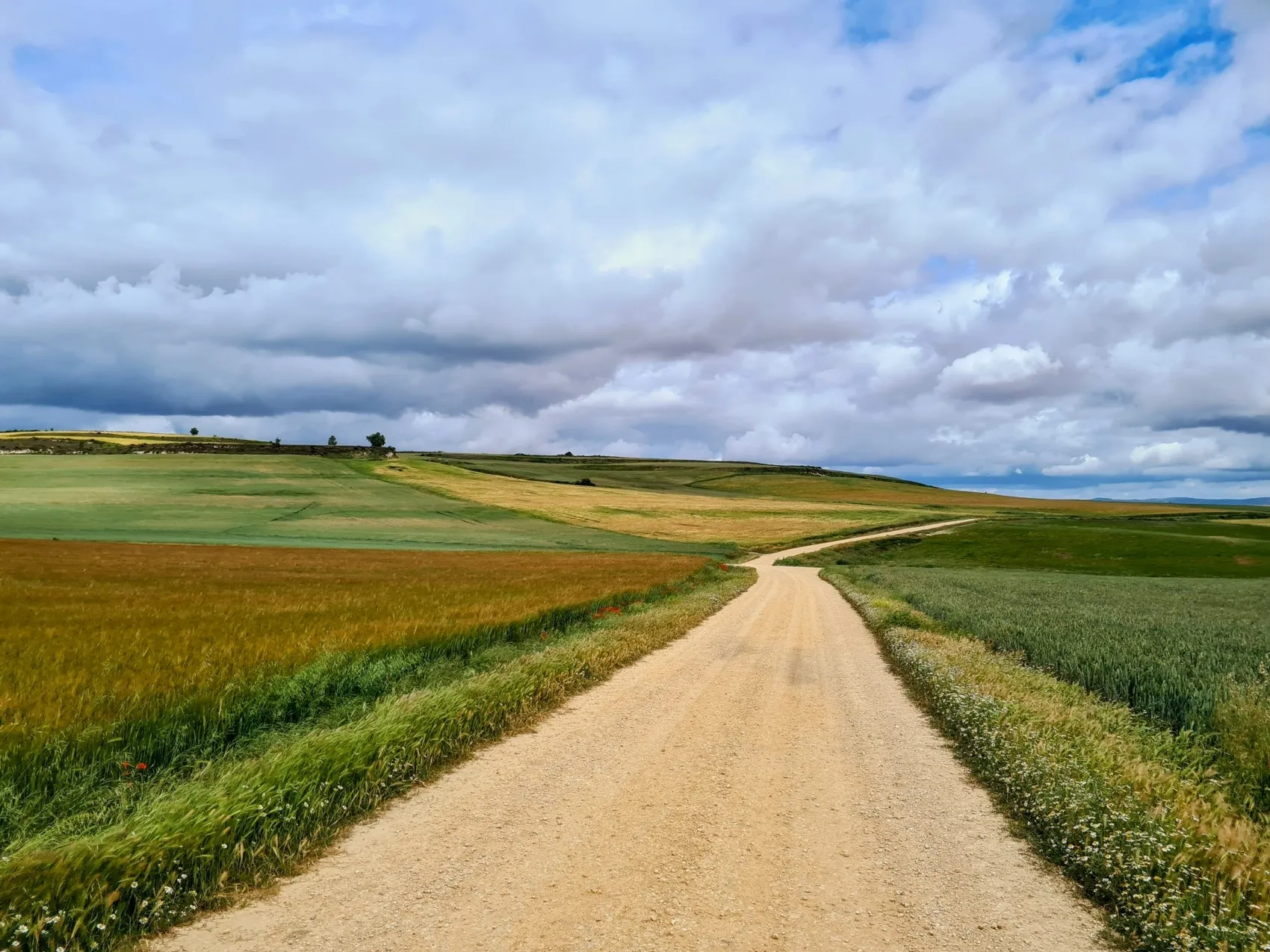
At the village of Revillagodos, we have walked about 5 kilometers along the highway, and the route continues to follow it from here. We see on the map that there is a road through the hills that also leads to Briviesca. It will probably involve more elevation gain, but the hills look delightfully peaceful, especially compared to the busy highway. So, we decide to continue straight ahead. A beautiful stretch across the Spanish countryside follows. Once you are even slightly away from the hustle and bustle, you immediately see a completely different face of Spain. We walk uphill between fields, seeing many large pink and red poppies and the occasional dilapidated house or barn. A sign along the road indicates that we are also on a Santiago route here, the Camino de Santiago Via de Bayona, an old route that originated between the 10th and 13th centuries because the Camino de Frances mostly ran through areas occupied by the Moors at the time, and the Camino del Norte along the coast was plagued by attacks from barbarian tribes from Northern Europe like the Vikings. They had to find a route to get from France to Santiago. They chose a beautiful path.
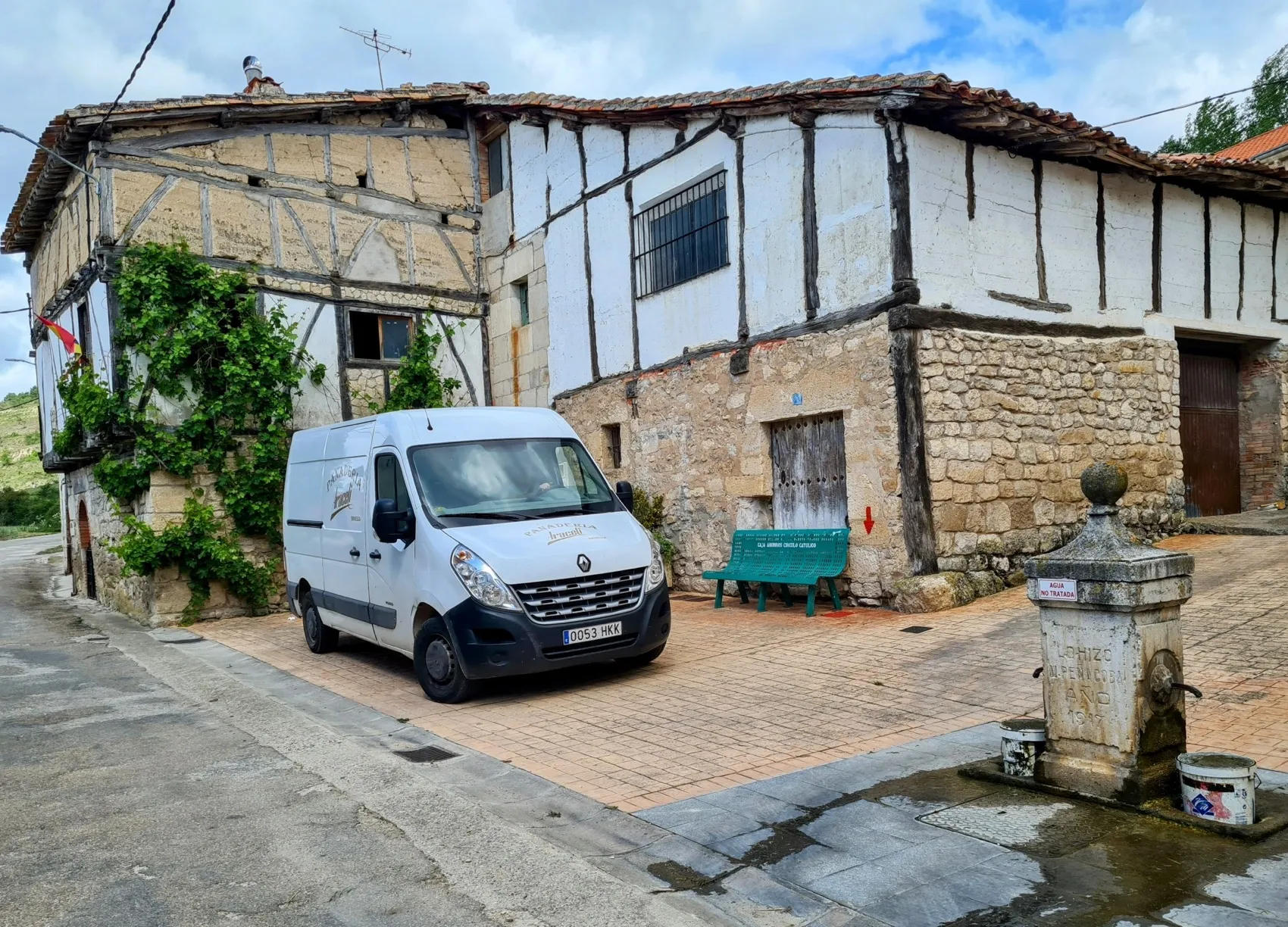
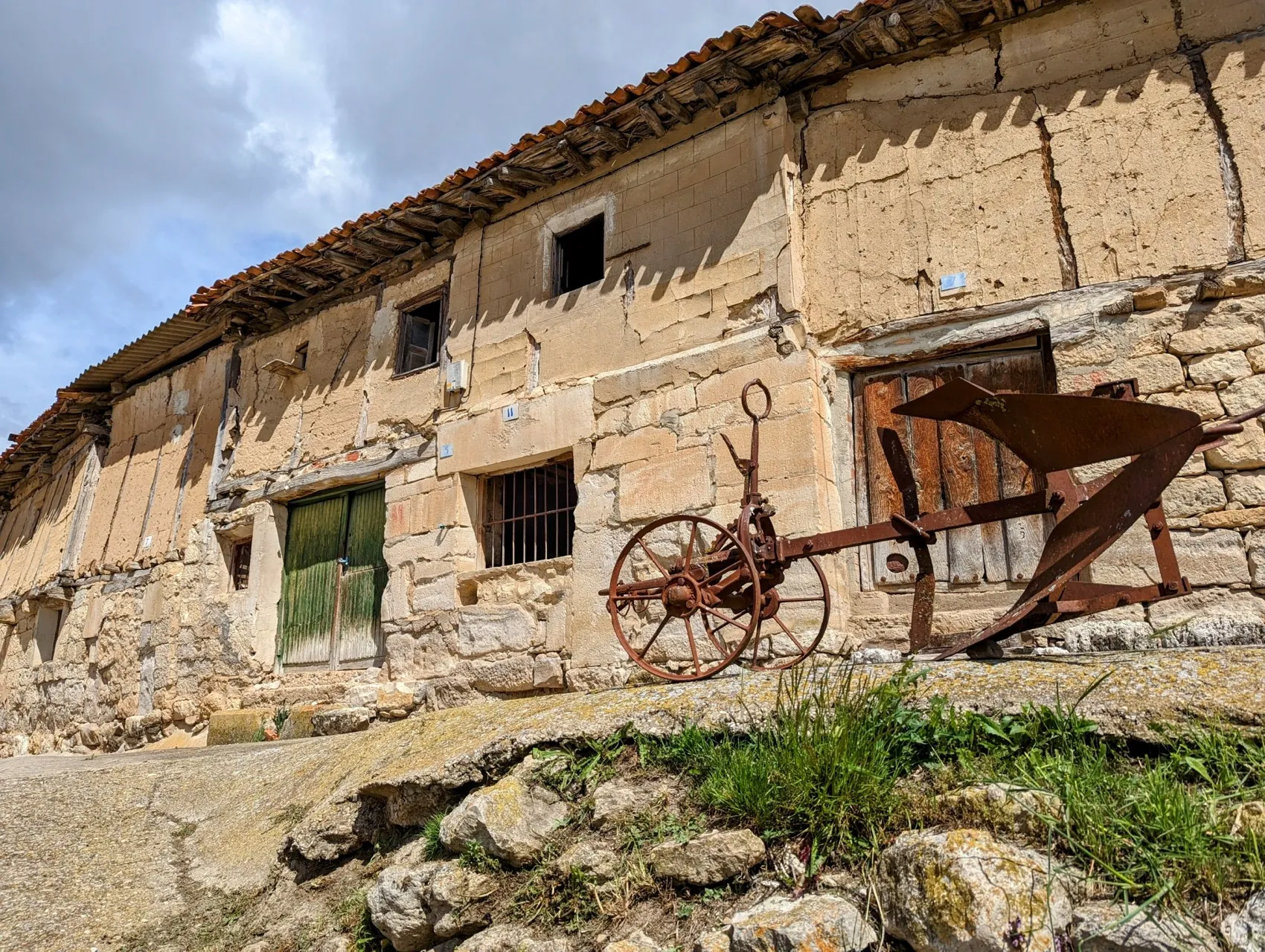
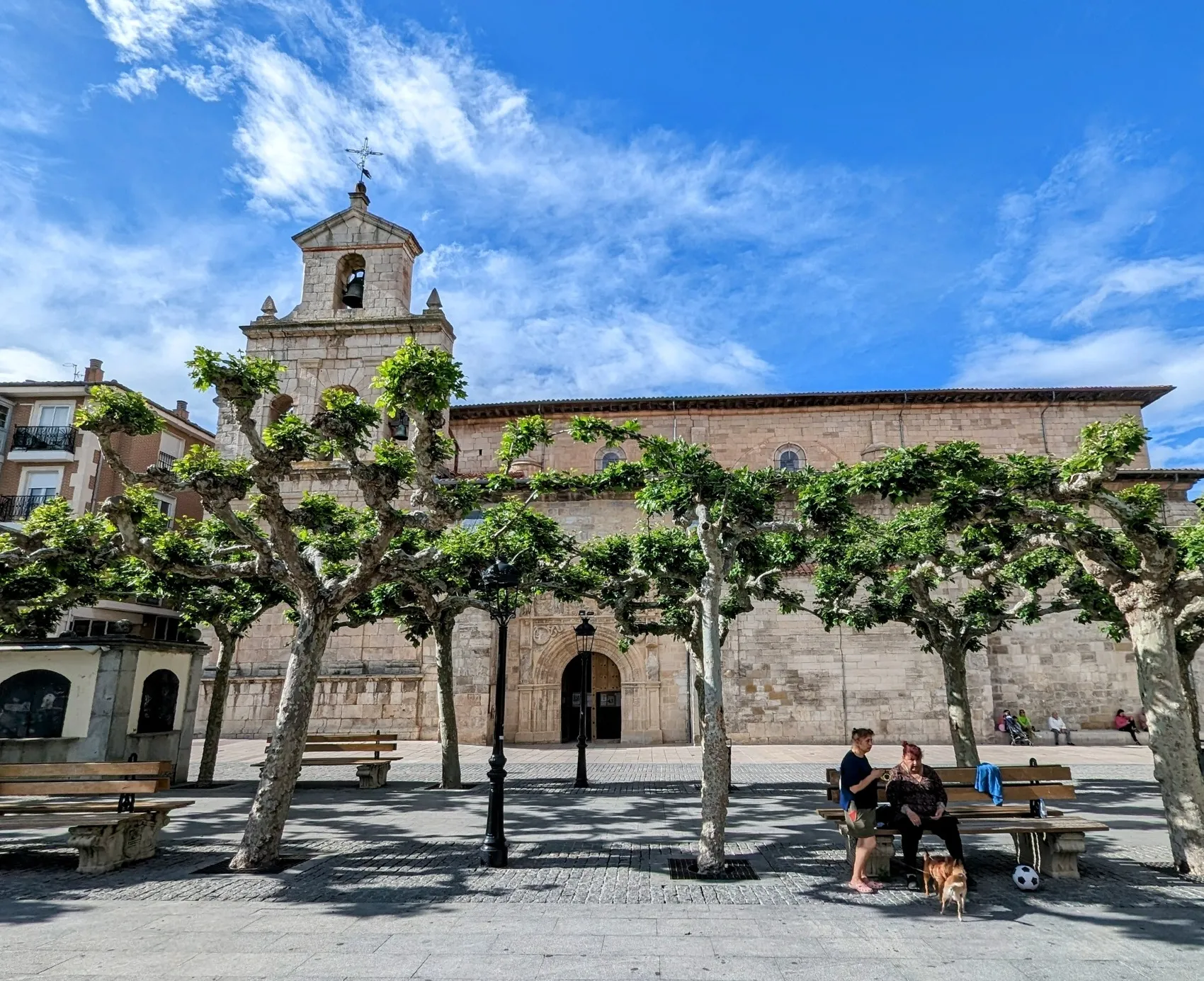
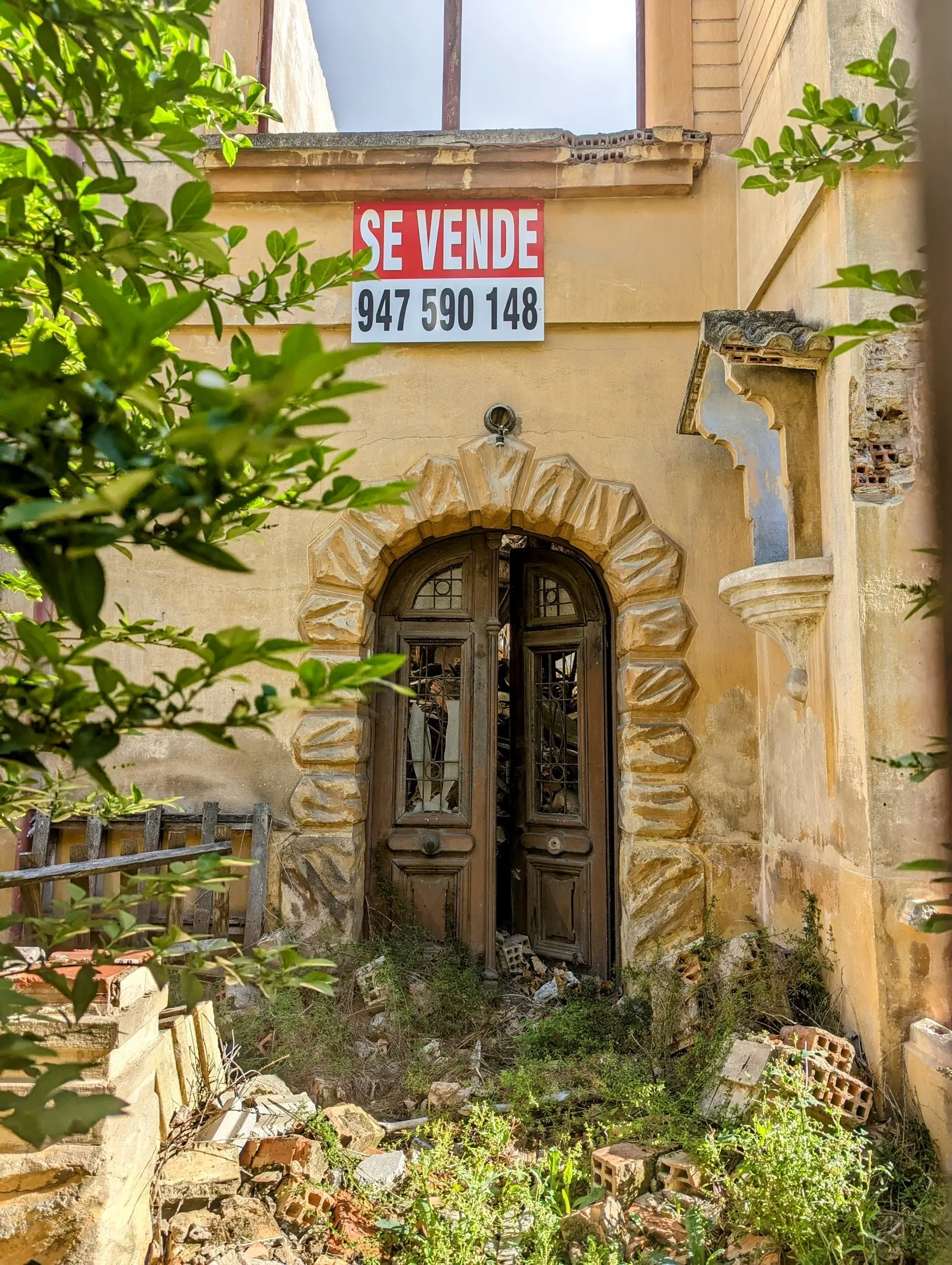
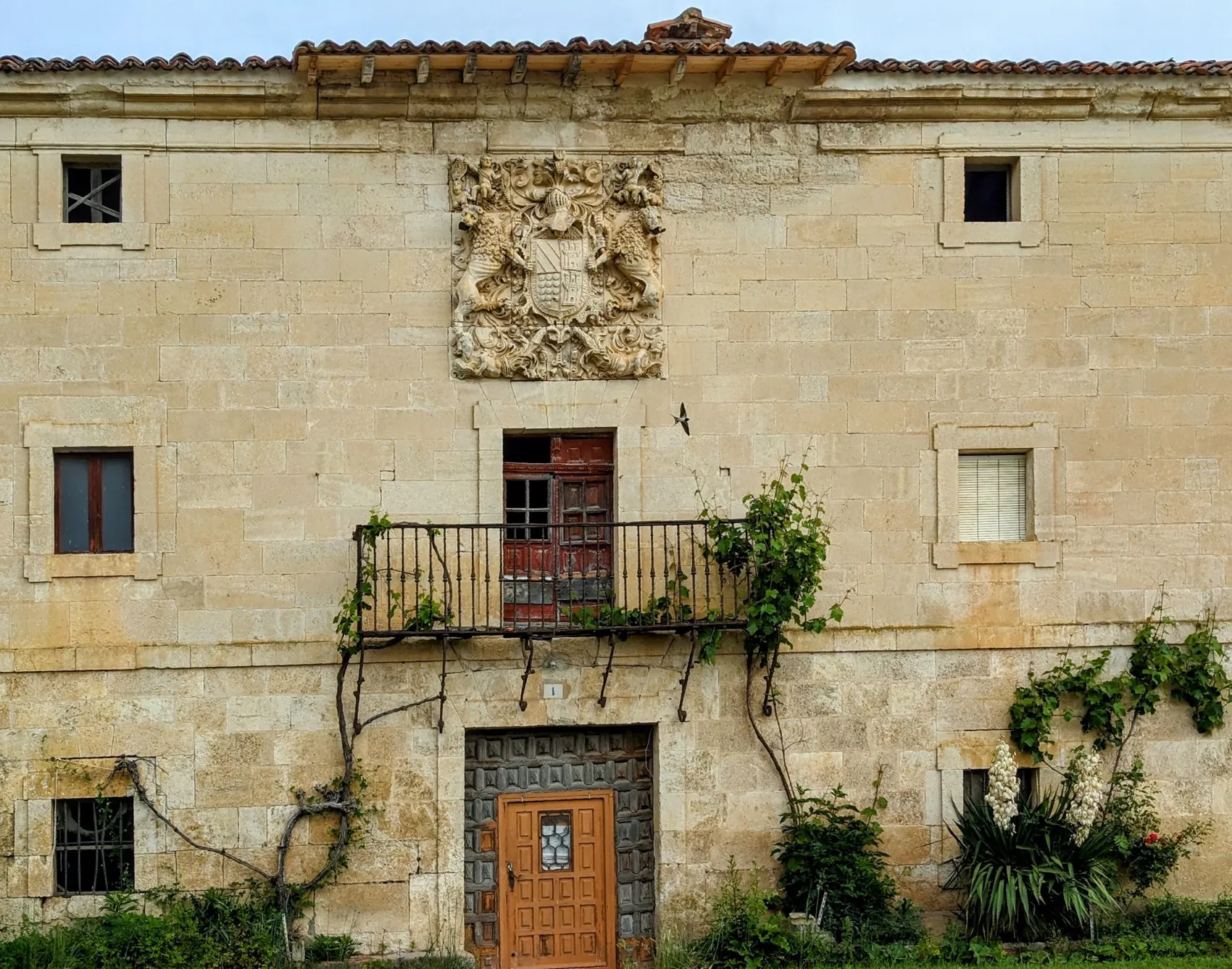
In the village of Valdazo, we walk through a narrow space between houses when suddenly there is loud honking behind us. Not just once, but it keeps honking, even as we move as far to the side as possible. A bit annoyed, we look back. It turns out not to be about us at all, but it's the baker letting the village know he has arrived with fresh bread and probably some treats. Indeed, people rush out of several houses toward the bus. That's apparently how it works here in the remote villages without a store; the baker comes to you. Quite convenient. In the village, there are quite a few large, relatively new houses next to houses that have seen better days, have no roof, or are used as stables. Mostly beautiful old houses made of clay and wood. From here, we need to cross one more hill, and we have to figure out how to get to the top. The road that appears to continue on Google actually ends, but by descending a bit and taking a road further on, we still make it to the hill. From there, we descend over an unpaved road. The sun shines brightly for a moment, but it starts to get quite dark behind us again. We continue briskly to the city. We arrive dry just before one. Here too, there are many vacant houses and commercial premises, houses with beautiful facades that are propped up and behind which there is nothing left, and purged side walls where a house has been removed. On the other hand, there are also magnificent old buildings, beautiful churches, and lovely streets and squares. It looks like a once-grand city that has seen better days. Fortunately, we have all afternoon to explore the center further. If only it stays somewhat dry, as the drops start to fall again as we enter…